

Condition Guide
Warts (Plantar Warts)
Viral growths on the soles of the feet treated with multiple effective methods.
01Overview
Plantar warts (verruca plantaris) are benign epidermal growths caused by human papillomavirus (HPV) infection of the superficial layers of skin on the weight-bearing surface of the foot. Unlike warts on other parts of the body that project outward, plantar warts are driven inward by the pressure of weight bearing, making them particularly painful and resistant to treatment. They may appear as solitary lesions or in clusters (mosaic warts), and are most common in children, adolescents, and immunocompromised individuals.
02Causes & Etiology
Plantar warts are caused by specific HPV strains - most commonly types 1, 2, 4, 60, and 63 - that are highly contagious and extremely prevalent in the environment. The virus infects basal keratinocytes through micro-abrasions or small breaks in the plantar skin surface, exploiting the natural wear and tear of weight-bearing skin. HPV thrives in warm, moist environments and is readily transmitted through contaminated surfaces such as communal locker room floors, pool decks, and shared towels. The incubation period ranges from one to several months, and not everyone exposed to the virus will develop visible warts - individual immune response plays a major role in susceptibility.
Risk Factors
- Walking barefoot in communal areas (locker rooms, pools, gyms)
- History of prior plantar warts (recurrent susceptibility)
- Immunocompromised status (HIV, chemotherapy, organ transplant)
- Children and adolescents (less developed immune response to HPV)
- Direct contact with another person's wart
- Skin breaks, cuts, or abrasions on the plantar surface
- Hyperhidrosis (sweaty feet creating moist entry points)
03Signs & Symptoms
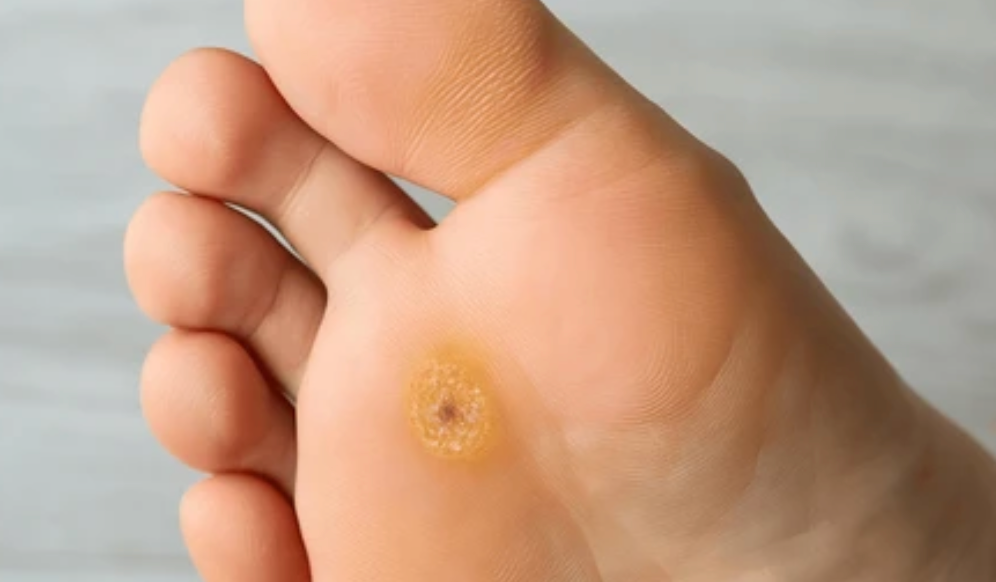
- A small, fleshy, rough, and grainy lesion on the sole of the foot
- Interruption of normal skin lines (dermatoglyphics) over the lesion - a key diagnostic sign
- Tiny black pinpoints within the lesion (thrombosed capillaries, often called 'wart seeds')
- Thickened overlying callus skin, particularly in weight-bearing areas
- Pain, tenderness, or burning with walking or direct pressure
- Multiple lesions clustered together (mosaic wart pattern)
When to See Dr. Golan
While some plantar warts resolve spontaneously with immune clearance, painful, spreading, or persistent warts benefit from professional treatment. Podiatric evaluation is especially important if you are diabetic, immunocompromised, or uncertain whether the lesion is a wart. Early treatment reduces spread and shortens the duration of infection.
04Frequently Asked Questions
Ready to find relief?
Schedule a consultation with Dr. Golan and get a personalized treatment plan.
Book an AppointmentFrom Our Blog
Plantar Warts: How Contagious Are They Really?
4 min read
Painless Plantar Wart Removal with the REMY 30-Watt Laser - No Cantharone, No Needles
6 min read
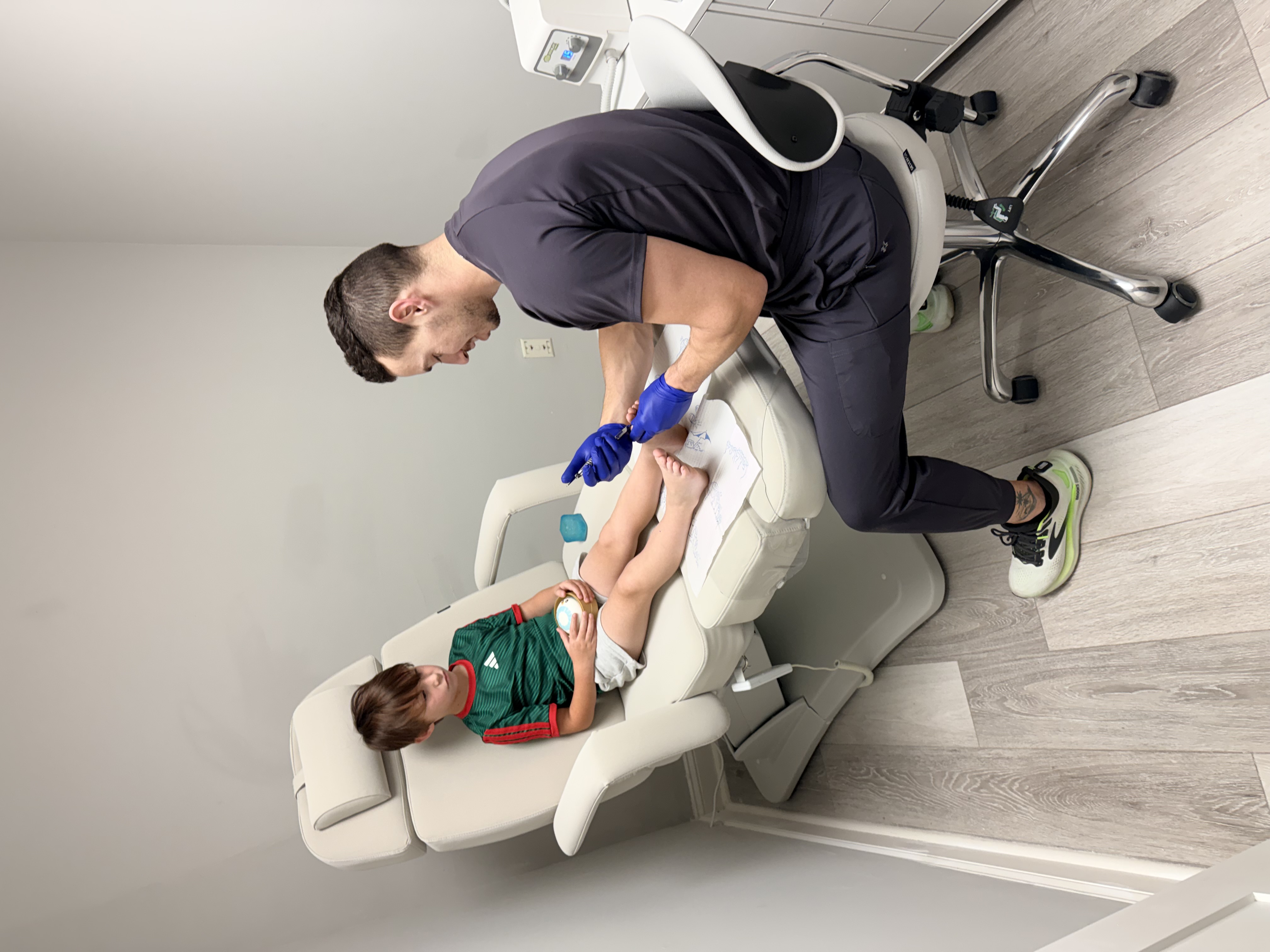
Plantar Warts in Kids: Why REMY Laser Treatment Means No Pain, No Blistering, and No Tears
7 min read
Warts (Plantar Warts) Treatment Near You
Select your community for local context, city-specific FAQs, and drive times to our Grandview Heights office.
Patient Resources