

Condition Guide
Neuromas (Morton's Neuroma)
Thickening of nerve tissue between toes causing burning pain and numbness.
01Overview
Morton's neuroma is a painful neuropathic condition characterized by perineural fibrosis - a thickening of the tissue surrounding the common digital nerve as it passes between the metatarsal heads, most frequently in the third interspace (between the third and fourth toes). Despite the name, a neuroma is not a true tumor but rather a fibrous enlargement of the nerve sheath caused by chronic compression and irritation. The condition predominantly affects middle-aged women, and its hallmark is forefoot pain that is exquisitely sensitive to the wearing of tight or narrow footwear.
02Causes & Etiology
The common digital nerves of the forefoot pass through the metatarsal interspaces and are subjected to mechanical compression - particularly the nerve in the third interspace, which is anatomically constrained by the meeting of branches from the medial and lateral plantar nerves, creating a naturally larger nerve trunk that is especially prone to impingement. Repetitive dorsiflexion of the metatarsophalangeal joints during propulsion stretches the nerve across the intermetatarsal ligament, causing repetitive microtrauma. Over time, the nerve's perineurium proliferates in response to this chronic injury, forming a fusiform mass that further increases impingement. Forefoot deformities such as bunions, hammertoes, and hypermobile metatarsals alter the biomechanical environment and accelerate neuroma development.
Risk Factors
- Wearing high-heeled, narrow, or pointed-toe shoes
- Participation in high-impact sports (running, aerobics)
- Forefoot deformities (bunion, hammertoe, splayed forefoot)
- Hypermobile metatarsals
- Female sex (higher prevalence with narrow footwear patterns)
- Age 40-60 (peak incidence)
- Flat feet or high arches altering metatarsal load distribution
03Signs & Symptoms
- A sharp, burning, or electric pain in the ball of the foot, radiating into adjacent toes
- A feeling of standing on a pebble, marble, or rolled-up sock
- Tingling, numbness, or a pins-and-needles sensation in the third and fourth toes
- Pain that worsens with activity, narrow shoes, or high heels
- Relief when removing shoes and massaging the foot
- A clicking sensation between the metatarsal heads (Mulder's click) on clinical examination
When to See Dr. Golan
Persistent forefoot pain with the characteristic burning and numbness pattern should be evaluated promptly. Neuroma responds well to early conservative treatment. If left untreated, the fibrous tissue continues to enlarge, making symptoms progressively worse and eventually requiring more invasive intervention.
04Frequently Asked Questions
Ready to find relief?
Schedule a consultation with Dr. Golan and get a personalized treatment plan.
Book an AppointmentFrom Our Blog
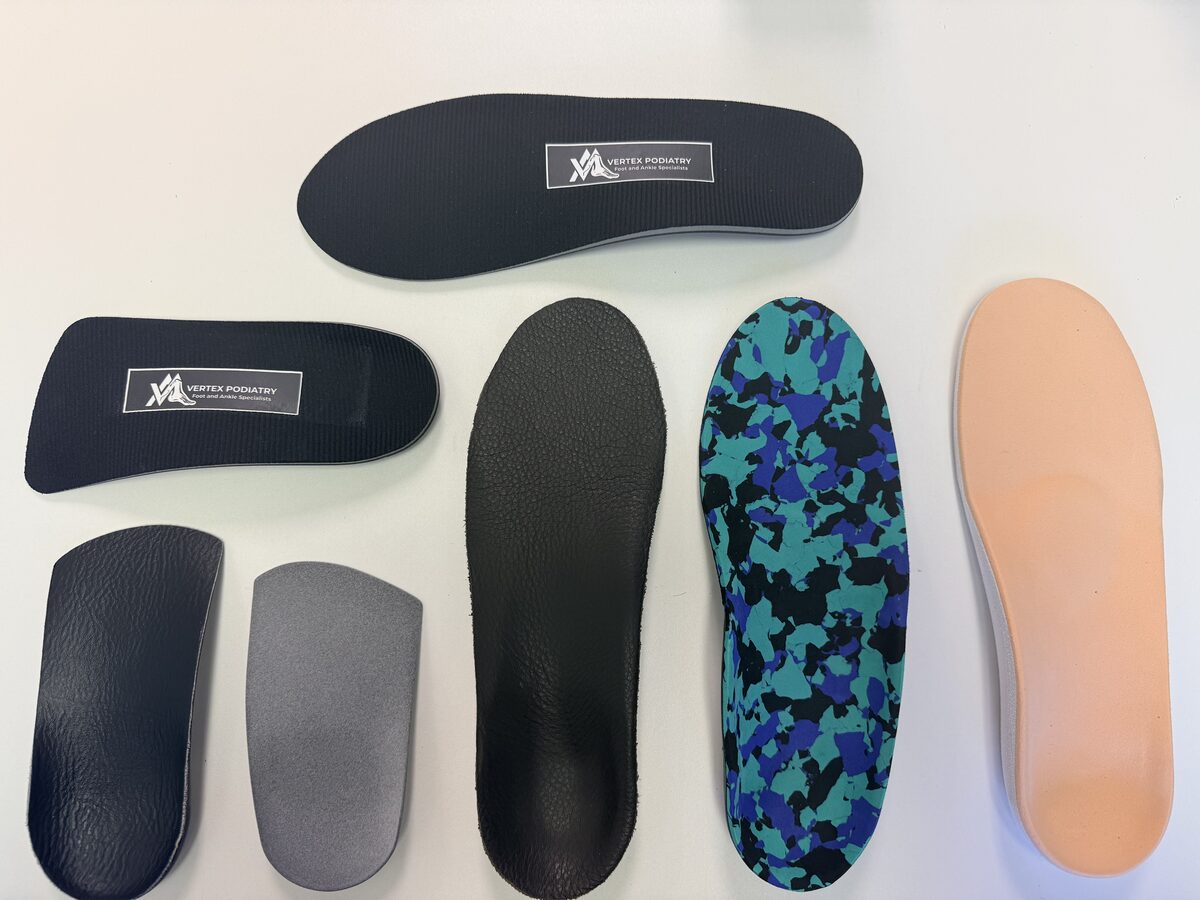
How Custom Orthotics Can Relieve Pain and Improve Your Quality of Life
4 min read

The Podiatrist's Complete Guide to Proper Footwear: What to Wear, What to Avoid, and the Truth About High Heels and Bunions
10 min read
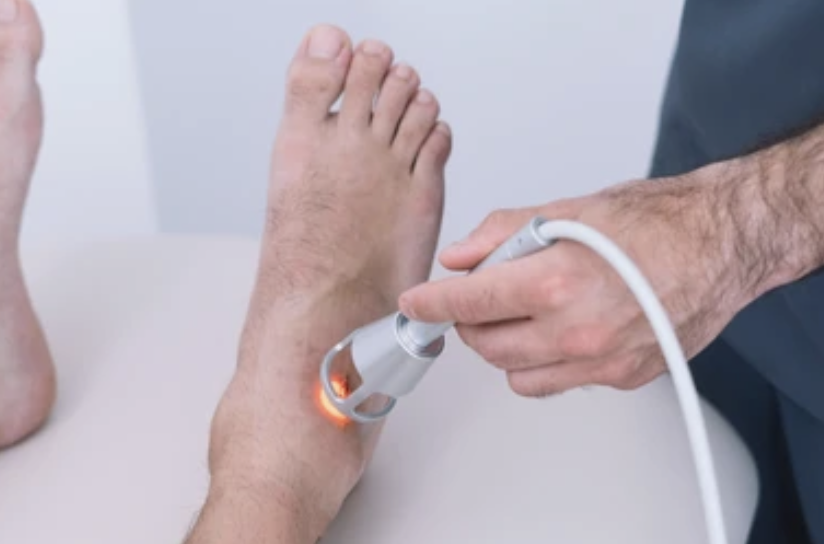
Deep Tissue Laser Therapy for Foot & Ankle Pain: Technology, Benefits & What to Expect
10 min read
Neuromas (Morton's Neuroma) Treatment Near You
Select your community for local context, city-specific FAQs, and drive times to our Grandview Heights office.
Patient Resources