

Condition Guide
Ankle Sprains & Injuries
Comprehensive care for acute and chronic ankle sprains, fractures, and instability.
01Overview
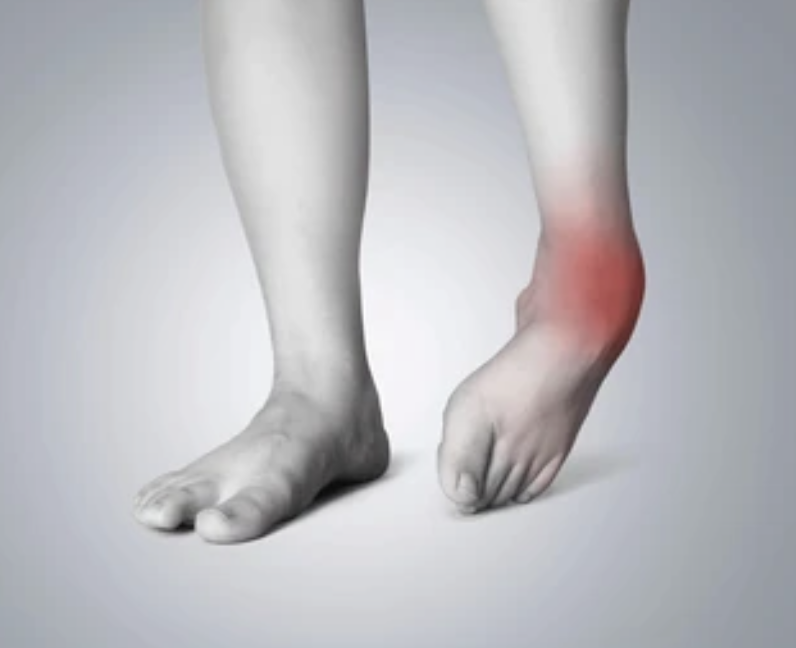
Ankle sprains are among the most common musculoskeletal injuries, accounting for a substantial proportion of emergency department visits and sports medicine consultations. A sprain occurs when one or more of the ankle's stabilizing ligaments are stretched or torn as a result of excessive inversion, eversion, or rotational force. Despite their frequency, ankle sprains are frequently undertreated, leading to chronic ankle instability, repeated sprains, and long-term functional impairment if proper rehabilitation is not completed.
02Causes & Etiology
The ankle joint is stabilized by three groups of ligaments: the lateral complex (anterior talofibular, calcaneofibular, and posterior talofibular ligaments), the medial deltoid ligament complex, and the syndesmotic ligaments binding the tibia and fibula. Lateral ligament sprains, caused by inversion and plantarflexion forces, account for approximately 85% of all ankle sprains. The anterior talofibular ligament (ATFL) is the weakest and most commonly injured. High-ankle sprains (syndesmotic injuries) are less common but more serious, requiring longer recovery. Incomplete rehabilitation of an initial sprain leads to residual proprioceptive deficits, peroneal muscle weakness, and mechanical laxity - all of which perpetuate the cycle of re-injury and eventual chronic instability.
Risk Factors
- History of previous ankle sprain (strongest single risk factor)
- Participation in sports with cutting, jumping, or pivoting movements
- Weak peroneal muscles and poor proprioception
- High-arched (cavus) foot type
- Running or training on uneven terrain
- Inadequate footwear
- Fatigue (reduced neuromuscular protective response)
- Female sex during certain hormonal phases (increased ligament laxity)
03Signs & Symptoms
- Immediate pain at the time of injury, typically on the outside of the ankle
- Swelling and bruising appearing within minutes to hours of injury
- Tenderness to touch over the injured ligament(s)
- Limited range of motion and stiffness
- Difficulty or inability to bear weight on the injured ankle
- A feeling of instability or that the ankle may 'give way'
- In chronic instability: recurrent sprains, persistent aching, and unpredictable giving-way episodes
When to See Dr. Golan
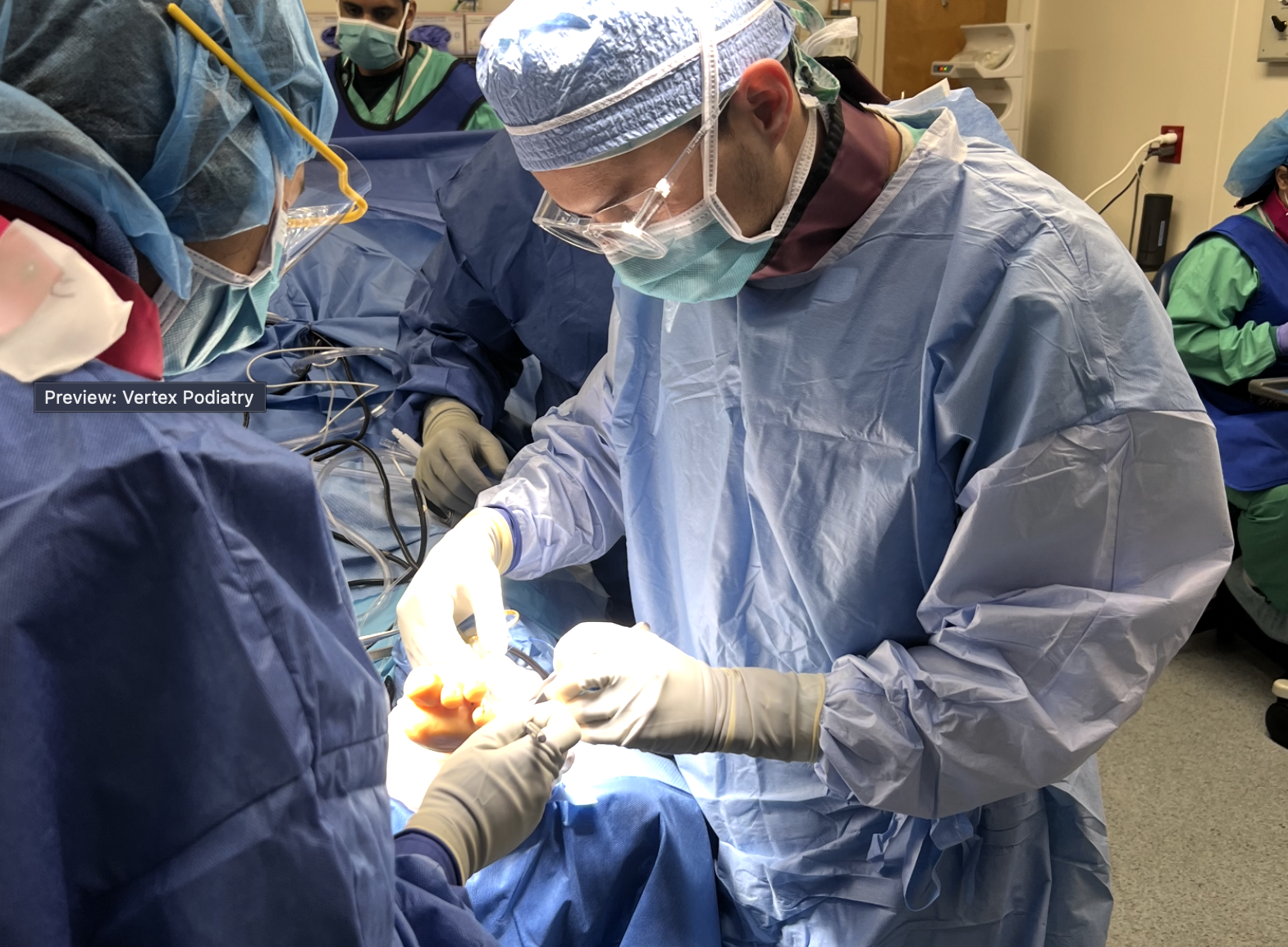
Any significant ankle sprain should be evaluated to rule out fracture (Ottawa Ankle Rules) and to assess ligament integrity. Proper grading of the injury guides treatment and rehabilitation. Chronic ankle instability or recurrent sprains warrant advanced imaging and possible surgical stabilization to prevent long-term joint damage.
04Frequently Asked Questions
Ready to find relief?
Schedule a consultation with Dr. Golan and get a personalized treatment plan.
Book an AppointmentFrom Our Blog

Ankle Sprains & Injuries Treatment Near You
Select your community for local context, city-specific FAQs, and drive times to our Grandview Heights office.
Patient Resources