
Condition Guide
Flat Feet & Arch Problems
Evaluation and treatment of collapsed arches causing pain, fatigue, and alignment issues.
01Overview
Flat feet (pes planus) is a condition in which the medial longitudinal arch of the foot is reduced or absent, allowing the entire sole to make contact - or near contact - with the ground. While a degree of arch flattening is normal during weight bearing, pathological flat foot is associated with pain, abnormal lower limb alignment, and progressive deformity. The condition may be flexible (arch present when non-weight bearing) or rigid (no arch in any position), and can be present since childhood or acquired in adulthood.
02Causes & Etiology
The longitudinal arch is maintained by a complex interplay of bony architecture, plantar ligaments, and dynamic muscular support - primarily the posterior tibial tendon (PTT), which actively supinates the subtalar joint and supports the arch during the propulsive phase of gait. Adult-acquired flatfoot (AAFD), the most clinically significant form, is predominantly caused by progressive posterior tibial tendon dysfunction (PTTD), in which the tendon elongates or tears under chronic overload. Ligamentous laxity (seen in conditions like Ehlers-Danlos syndrome or simply hereditary hypermobility) allows the hindfoot to pronate and the arch to collapse even with normal muscle function. Secondary causes include obesity, rheumatoid arthritis, Charcot joint disease, and traumatic disruption of the arch ligaments.
Risk Factors
- Family history of flat feet or ligamentous laxity
- Obesity (increased load on arch structures)
- Posterior tibial tendon dysfunction
- Rheumatoid arthritis or other inflammatory conditions
- Pregnancy (hormonal ligamentous relaxation)
- Aging (gradual loss of tendon elasticity and strength)
- Prior ankle or foot injuries
- Neuromuscular disorders
03Signs & Symptoms
- Aching, fatigue, or pain along the inner side of the foot and ankle
- Swelling along the inner ankle, particularly after activity
- Feet that tire easily during walking or standing
- Difficulty standing on tiptoe on the affected foot
- Progressive inward rolling of the ankle (overpronation)
- Knee pain, hip pain, or lower back pain due to altered gait mechanics
- Shoe wear pattern showing excessive wear on the inner heel
When to See Dr. Golan
Flat feet that are painless and not causing functional limitations may require no treatment. However, if you experience pain, fatigue, or notice your deformity worsening, a podiatric evaluation can identify the underlying cause and initiate appropriate treatment - including orthotics, physical therapy, or reconstructive surgery - before the condition becomes more difficult to manage.
04Frequently Asked Questions
Ready to find relief?
Schedule a consultation with Dr. Golan and get a personalized treatment plan.
Book an AppointmentFrom Our Blog
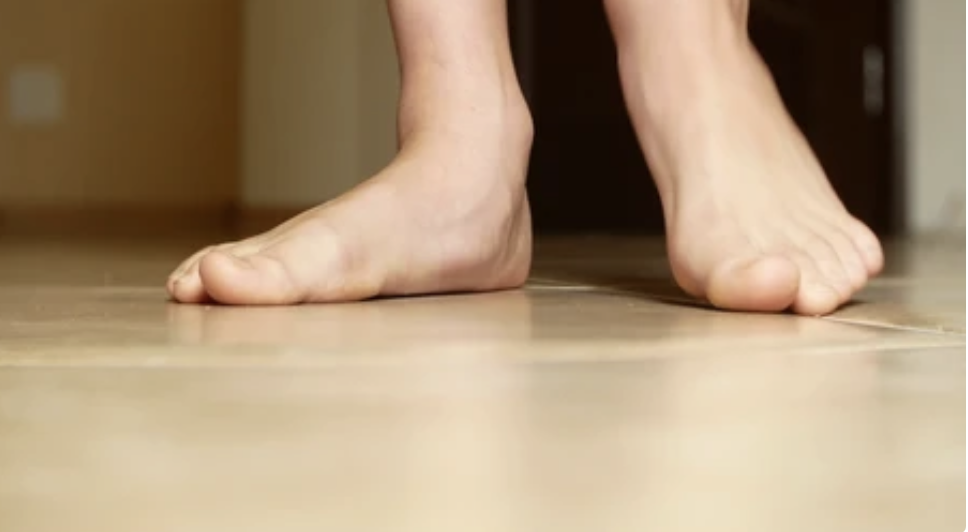
Flat Feet in Adults: When It's a Problem, When It's Not, and What to Do
6 min read
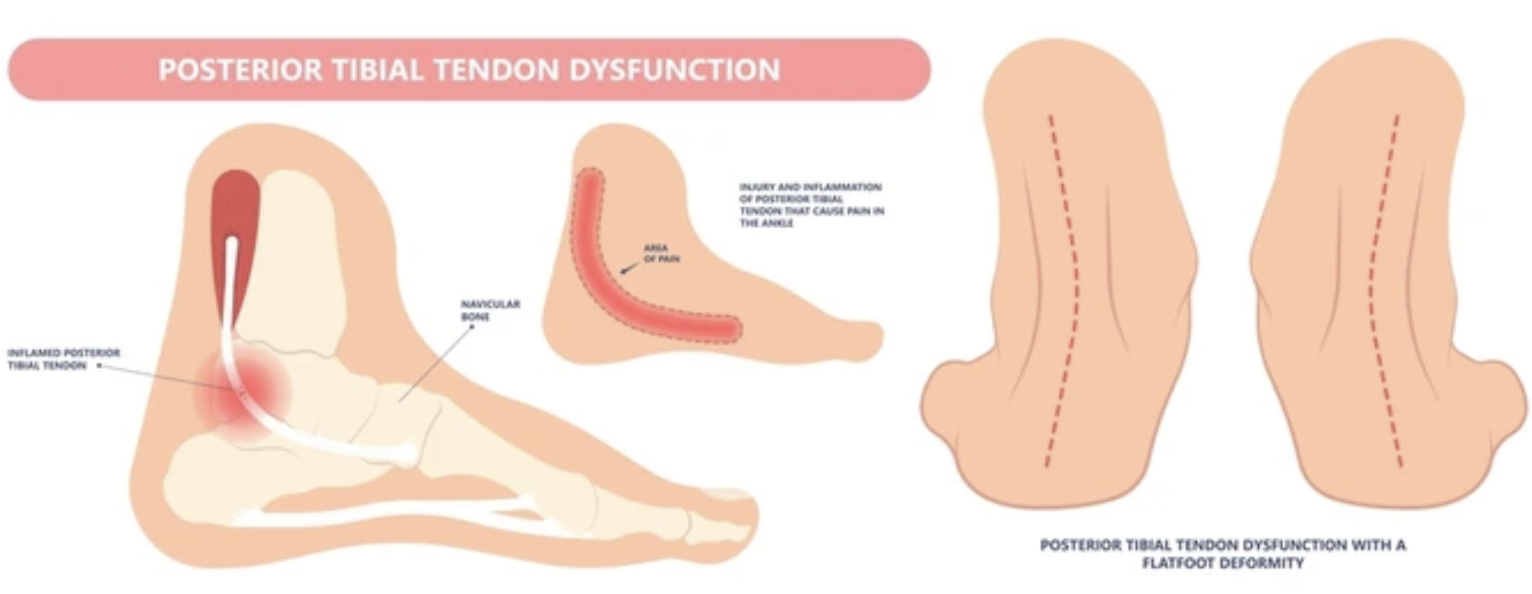
PTTD: Why Your Arch Is Collapsing and What Custom Orthotics Can Do About It
9 min read
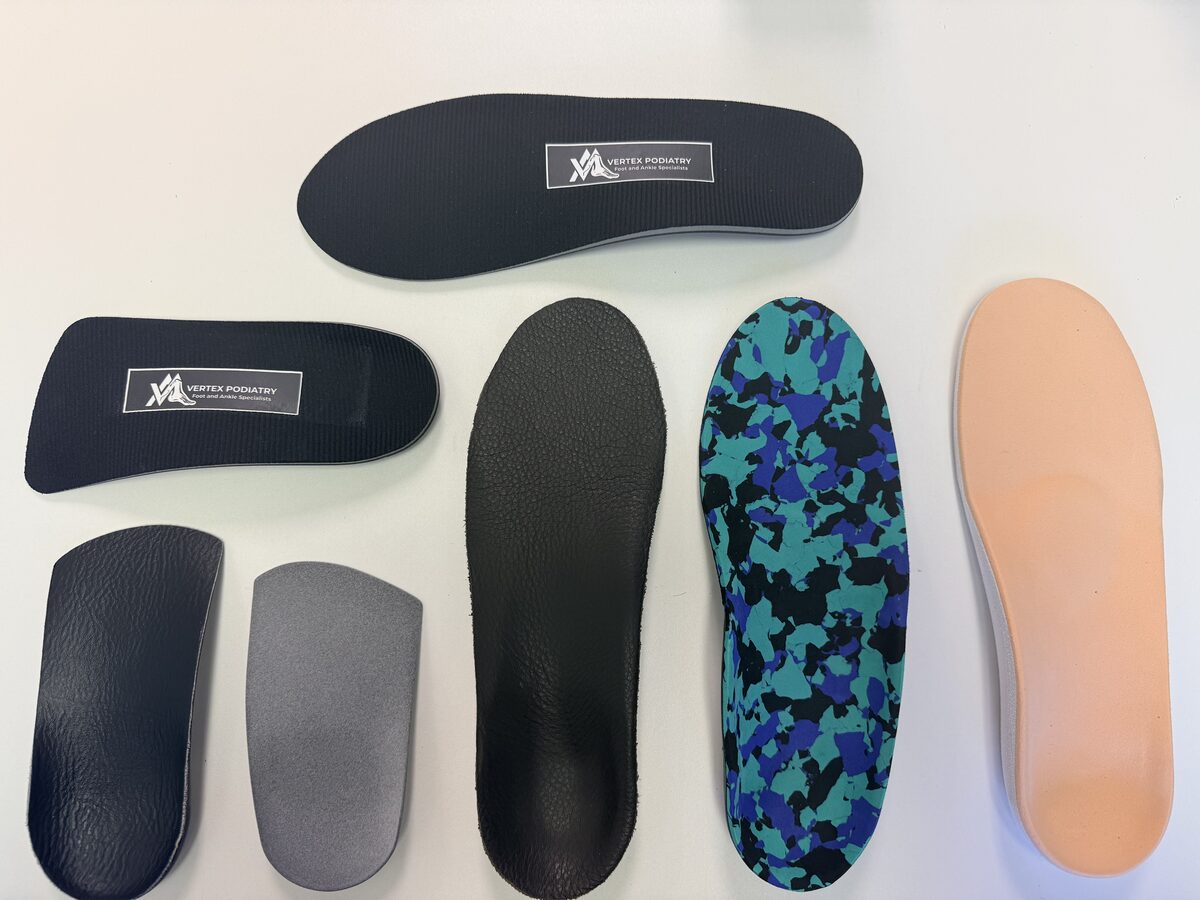
How Custom Orthotics Can Relieve Pain and Improve Your Quality of Life
4 min read
Flat Feet & Arch Problems Treatment Near You
Select your community for local context, city-specific FAQs, and drive times to our Grandview Heights office.
Patient Resources