

Condition Guide
Corns & Calluses
Hardened skin buildup from pressure and friction, safely removed for lasting relief.
01Overview
Corns and calluses are areas of thickened, hyperkeratotic skin that develop as a protective response to chronic mechanical stress - primarily friction and pressure. While both represent the skin's attempt to protect underlying structures, they are distinct in their location, appearance, and clinical significance. Calluses are diffuse areas of hardened skin typically on the soles or heels; corns are smaller, more focal, with a central hardened core (nucleus) that can exert painful downward pressure on underlying tissues and nerves. Though common and often considered minor, severe corns and calluses can significantly impair mobility, particularly in elderly or diabetic patients.
02Causes & Etiology
The epidermis responds to repeated mechanical stimulation by increasing the rate of keratinocyte proliferation and delaying normal cell shedding, producing a localized accumulation of keratin. Calluses form in areas of broad, diffuse pressure - typically the plantar surface under the metatarsal heads and the heel. Corns develop in areas of focal, concentrated pressure, most commonly on the dorsum of the lesser toes where they rub against footwear, or in the web spaces between toes (soft corns, macerated by moisture). The corn's nucleated center acts as a foreign body, transmitting pressure to the dermal-epidermal junction and producing pain. Underlying bony prominences - whether from normal foot architecture or from deformities such as hammertoe, bunion, or prominent metatarsal heads - are the root mechanical cause, and simply removing the callus without addressing the bony pressure source leads to rapid recurrence.
Risk Factors
- Ill-fitting footwear (too tight, too loose, or high-heeled)
- Foot deformities creating bony prominences (hammertoe, bunion, prominent metatarsal head)
- High-arched foot (increased pressure under metatarsal heads and heel)
- Bony prominences from previous fractures or surgical hardware
- Prolonged walking, standing, or manual labor
- Older age (loss of plantar fat pad, reduced skin elasticity)
- Abnormal gait mechanics
- Walking barefoot on hard surfaces
03Signs & Symptoms
- Callus: a thick, rough, hardened area of skin - usually painless but may ache with prolonged pressure
- Corn (hard): a small, dense circular thickening with a central translucent core on the tops or tips of toes
- Corn (soft): a whitish, rubbery lesion in the web space between toes, often tender
- Pain or tenderness when direct pressure is applied
- Skin that appears waxy, yellowed, or dry and flaky
- A feeling of walking on a pebble or raised area within the shoe
When to See Dr. Golan
Professional debridement provides immediate pain relief and, importantly, allows assessment of the underlying cause. Diabetic patients should never attempt self-treatment of corns or calluses due to the risk of creating wounds that may not heal. Recurrent corns and calluses require treatment of the underlying bony deformity for lasting resolution.
04Frequently Asked Questions
Ready to find relief?
Schedule a consultation with Dr. Golan and get a personalized treatment plan.
Book an AppointmentFrom Our Blog

The Podiatrist's Complete Guide to Proper Footwear: What to Wear, What to Avoid, and the Truth About High Heels and Bunions
10 min read
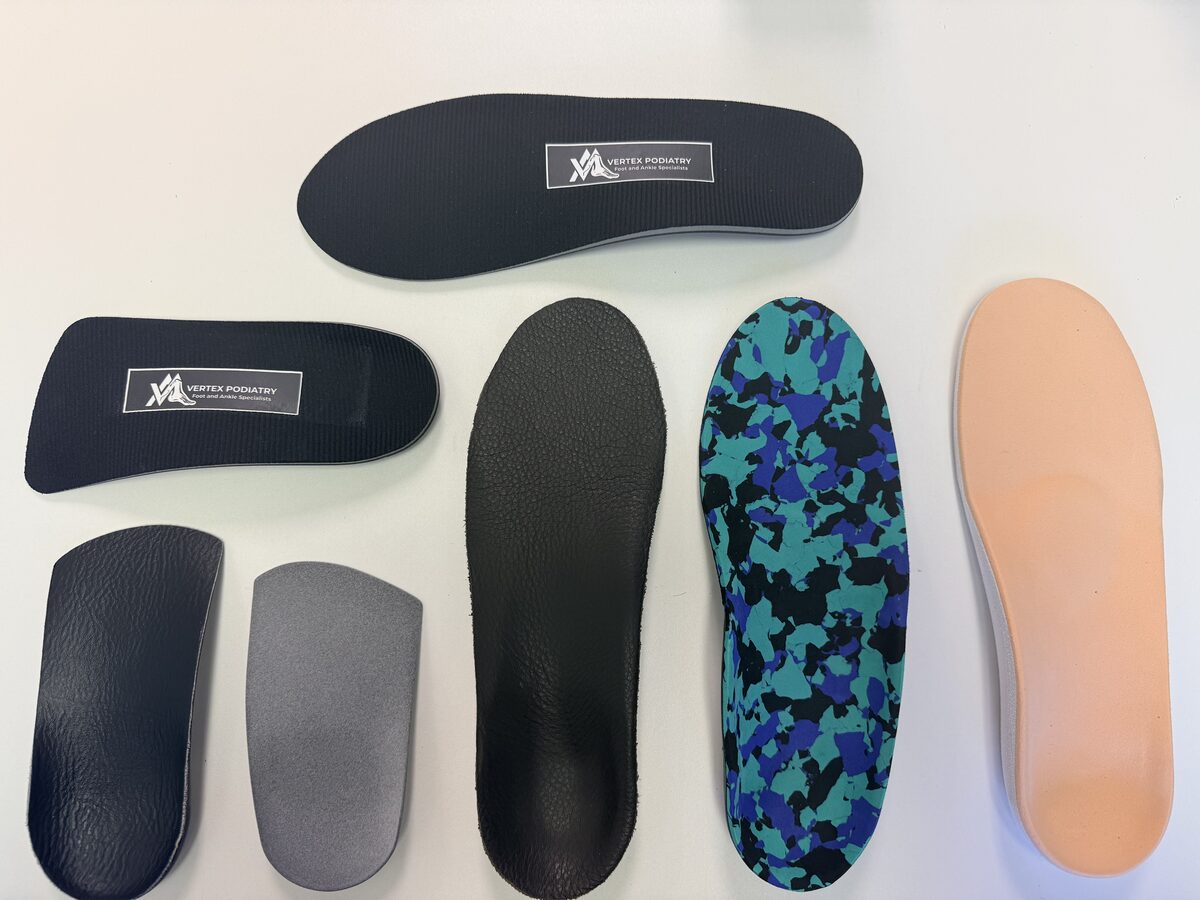
How Custom Orthotics Can Relieve Pain and Improve Your Quality of Life
4 min read

Work-Related Foot and Ankle Injuries: The Risks, the Warning Signs, and How to Protect Yourself
9 min read
Corns & Calluses Treatment Near You
Select your community for local context, city-specific FAQs, and drive times to our Grandview Heights office.
Patient Resources