

Condition Guide
Advanced Wound Care
Specialized treatment for diabetic ulcers, chronic wounds, and complex lower-extremity injuries.
01Overview
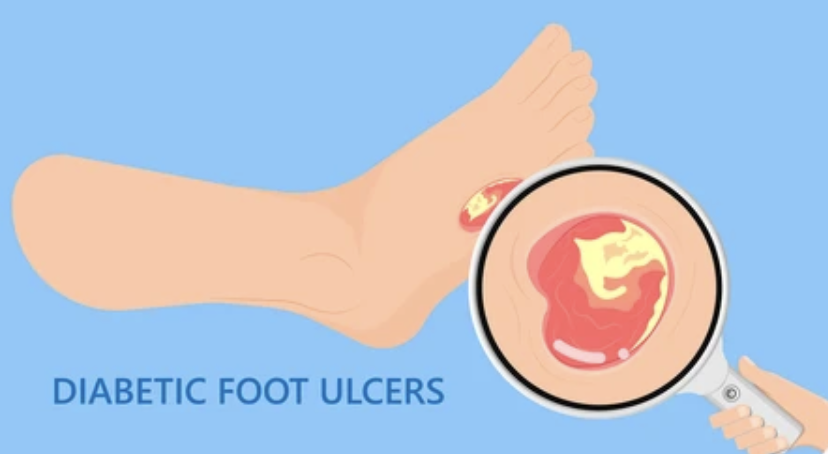
Chronic and complex wounds of the foot and lower leg represent one of the most clinically challenging and potentially devastating problems in podiatric medicine. Unlike acute wounds - which heal predictably through the overlapping phases of hemostasis, inflammation, proliferation, and remodeling - chronic wounds are stalled in a state of prolonged, dysregulated inflammation. They fail to progress through normal healing despite weeks or months of standard care. Diabetic foot ulcers are the leading cause of non-traumatic lower-extremity amputation in the United States, yet the vast majority of amputations are preventable with timely specialist intervention. Advanced wound care draws on a multi-modal, evidence-based approach: aggressive debridement of devitalized tissue, infection control, offloading of pressure, vascular optimization, advanced dressing technologies, and - when indicated - biologics, growth factors, and bioengineered skin substitutes. Early referral to a specialist significantly reduces the risk of infection, osteomyelitis, and limb loss.
02Causes & Etiology
The vast majority of lower-extremity chronic wounds fall into three overlapping categories based on their primary pathophysiology. Neuropathic ulcers - the most common type in podiatric practice - develop in patients with peripheral neuropathy (most often from diabetes) who have lost protective sensation. Repetitive mechanical trauma from footwear or bony prominences goes unnoticed until a full-thickness wound has formed. Ischemic ulcers arise from peripheral arterial disease (PAD), where impaired blood supply deprives tissue of oxygen and nutrients required for healing. Venous insufficiency ulcers result from chronic venous hypertension, which causes tissue hypoxia, inflammation, and skin breakdown - typically around the medial malleolus. Many wounds in diabetic patients are mixed-etiology, combining neuropathy, ischemia, and infection simultaneously. Biofilm formation - communities of bacteria embedded in a protective polysaccharide matrix - is a critical obstacle in wound healing, rendering standard antibiotics substantially less effective and necessitating thorough mechanical debridement.
Risk Factors
- Diabetes mellitus with peripheral neuropathy or retinopathy
- Peripheral arterial disease (PAD) or poor circulation
- Chronic venous insufficiency or varicose veins
- History of prior foot ulcer or amputation
- Immunosuppression (organ transplant, chemotherapy, systemic steroids)
- Renal failure or dialysis dependence
- Obesity and reduced mobility
- Poorly fitting footwear or bony deformities creating pressure points
03Signs & Symptoms
- Open sore or wound on the foot, heel, or lower leg that fails to heal within 2-4 weeks
- Wound with surrounding redness, warmth, swelling, or foul odor - signs of infection
- Deep or tunneling wound extending to tendon or bone
- Black or gray necrotic (dead) tissue at the wound margins
- Exudate (drainage) that is excessive, cloudy, or purulent
- Pain at rest or pain that is notably absent despite a severe wound (neuropathic ulcer)
- Callus formation surrounding the wound in neuropathic patients
- Fever, chills, or elevated blood sugar in diabetic patients - indicating systemic infection
When to See Dr. Golan
Any wound on the foot or lower leg that has not shown meaningful improvement within two weeks warrants specialist evaluation. Diabetic patients should seek care immediately for any break in skin, no matter how small - wounds that appear minor can progress rapidly to deep infection or osteomyelitis. Early intervention is the single most important factor in preventing limb loss.
04Frequently Asked Questions
Ready to find relief?
Schedule a consultation with Dr. Golan and get a personalized treatment plan.
Book an AppointmentFrom Our Blog
Advanced Wound Care Treatment Near You
Select your community for local context, city-specific FAQs, and drive times to our Grandview Heights office.
Patient Resources