

Condition Guide
Achilles Injuries & Tendinitis
Diagnosis and treatment of Achilles tendon pain, tendinitis, and ruptures for a full return to activity.
01Overview
The Achilles tendon is the largest and strongest tendon in the human body, connecting the calf muscles (gastrocnemius and soleus) to the heel bone (calcaneus). It is essential for walking, running, jumping, and rising onto the toes. Despite its strength, the Achilles is one of the most commonly injured tendons - particularly in active individuals and aging athletes. Achilles injuries range from tendinitis (inflammation) and tendinosis (chronic degeneration) to partial tears and complete ruptures. Because the tendon has a relatively poor blood supply, injuries often heal slowly and can become chronic if not properly treated. Dr. Golan provides a comprehensive, evidence-based approach to Achilles tendon conditions, from conservative management to surgical reconstruction when necessary.
02Causes & Etiology
Achilles tendinitis and tendinosis most commonly result from repetitive overloading of the tendon - especially when training load is increased too quickly or when biomechanical factors place excessive stress on the tendon. Insertional Achilles tendinopathy occurs where the tendon attaches to the heel and is often associated with a Haglund deformity (a bony prominence on the back of the heel). Non-insertional tendinopathy affects the mid-portion of the tendon, typically 2-6 cm above the insertion. Acute ruptures usually occur during sudden forceful push-off movements - common in recreational athletes - though they can also happen in individuals with pre-existing tendon degeneration. Corticosteroid injections into or around the tendon significantly weaken the tissue and are a known risk factor for rupture.
Risk Factors
- Sudden increase in training intensity or mileage (runners, court sport athletes)
- Tight or weak calf muscles and limited ankle dorsiflexion
- Overpronation or flat arch mechanics increasing tendon strain
- Haglund deformity (bony prominence at the back of the heel)
- Prior corticosteroid injections near the tendon
- Fluoroquinolone antibiotic use (associated with tendon weakening)
- Age 30-60 (peak incidence in recreational athletes)
- Obesity and excess body weight increasing load on the tendon
03Signs & Symptoms
- Pain and stiffness along the back of the heel and lower leg, especially in the morning
- Tenderness when pressing on the tendon 2-6 cm above the heel
- Swelling or a palpable nodule within the tendon
- Pain that worsens with activity and improves with rest early on
- Thickening of the tendon over time
- A sudden 'pop' or snap felt at the back of the ankle (indicating rupture)
- Inability to rise onto the toes or push off when walking (complete rupture)
- Bruising and significant swelling following an acute injury
When to See Dr. Golan
If you experience sudden severe pain at the back of your ankle - especially with a popping sensation and inability to bear weight - seek immediate evaluation as this may indicate a complete rupture requiring urgent care. For chronic pain, stiffness, or swelling along the Achilles that has not resolved within a few weeks, early treatment dramatically improves outcomes and helps prevent progression to a more serious injury.
04Frequently Asked Questions
Ready to find relief?
Schedule a consultation with Dr. Golan and get a personalized treatment plan.
Book an AppointmentFrom Our Blog
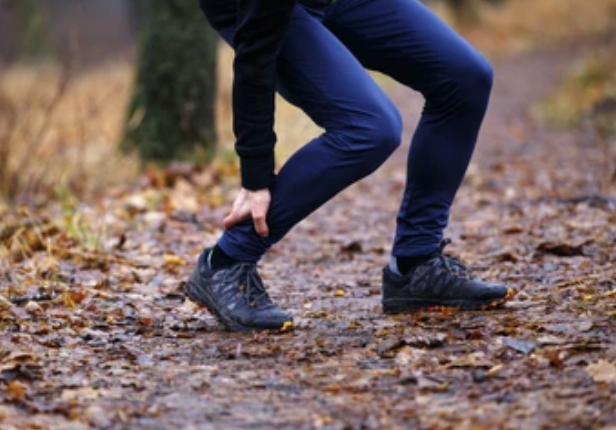
Achilles Tendinitis: Can It Heal Without Surgery? A Columbus Podiatrist Explains
6 min read
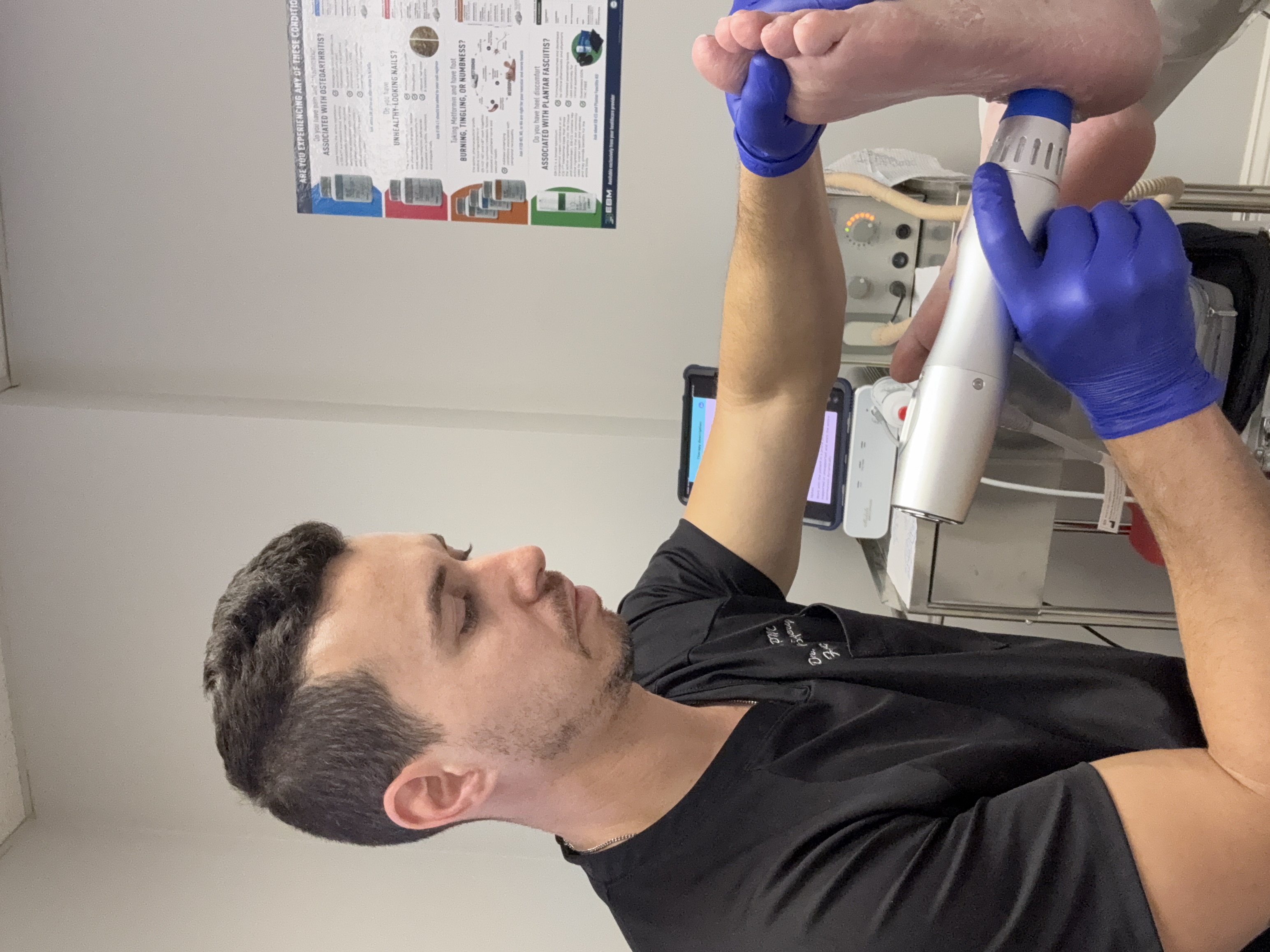
Shockwave Therapy for Achilles Tendinitis, Thick Plantar Fascia & Surgical Scar Tissue - No Needles, No Surgery, No Downtime
7 min read

Columbus Marathon Training: A Podiatrist's Guide to Protecting Your Feet
5 min read
Achilles Injuries & Tendinitis Treatment Near You
Select your community for local context, city-specific FAQs, and drive times to our Grandview Heights office.
Patient Resources