
Treatment Guide
Nail Care & Debridement
Professional management of ingrown, thickened, and difficult toenail conditions.
Overview
Nail care and debridement is a foundational but critically important podiatric service - particularly for patients with diabetes, peripheral vascular disease, neuropathy, or immune compromise, where a minor nail problem can become a serious limb-threatening issue if left unmanaged. Professional nail debridement involves the careful trimming, filing, and thinning of thickened, curved, or fungal nails that have become too difficult or painful to manage at home. Ingrown toenail treatment addresses the portion of nail plate that has grown into the surrounding soft tissue (nail fold), causing pain, swelling, and infection. Dr. Golan offers both conservative ingrown nail care (careful nail trimming and edge relief) and minor in-office procedures (partial nail avulsion with or without permanent matrixectomy) to prevent recurrence. Routine professional nail care is an essential preventative service for high-risk patients.
Benefits
- Relief from pain caused by ingrown, thickened, or overgrown nails
- Reduced infection risk - especially critical for diabetic and immunocompromised patients
- Professional technique avoids the trauma and bleeding of improper self-treatment
- Ingrown nail procedures performed with local anesthesia for complete comfort
- Permanent correction available (matrixectomy) to prevent ingrown nail recurrence
- Routine debridement prevents pressure ulcers under thickened nails in neuropathic patients
What to Expect
For routine nail debridement, no anesthesia is needed - the procedure involves professional trimming and thinning of nails using medical-grade instruments, and takes 15-30 minutes. For ingrown nail treatment, a local anesthetic is injected at the base of the toe for complete comfort. The offending nail border is then gently removed. If a permanent procedure (matrixectomy) is chosen to prevent recurrence, a small amount of chemical is applied to the nail root to prevent regrowth of the ingrown edge. A dressing is applied and you walk out of the office immediately. Daily soaks and redressing at home are required for 2-3 weeks during healing.
Who Is a Candidate?
Nail care services are appropriate for anyone with painful, thickened, fungal, ingrown, or traumatically damaged nails. Regular professional nail care is especially important for diabetic patients, patients with peripheral vascular disease, neuropathy, or arthritis that limits self-care ability, and elderly patients.
Frequently Asked Questions
Will my ingrown nail come back?
Conservative trimming resolves most ingrown nails temporarily, but if they recur repeatedly, a permanent procedure (matrixectomy) removes the root of the offending nail border, preventing regrowth. Success rates exceed 95%.
Is the ingrown nail procedure painful?
The local anesthetic injection is the only uncomfortable part - after that, the procedure is painless. Most patients are pleasantly surprised at how comfortable the experience is.
How often should diabetic patients have nail care?
Most diabetic patients benefit from professional nail care every 8-12 weeks. Frequency depends on the rate of nail growth, the presence of fungal infection, and self-care ability. Dr. Golan will recommend a schedule at your appointment.
From Our Blog
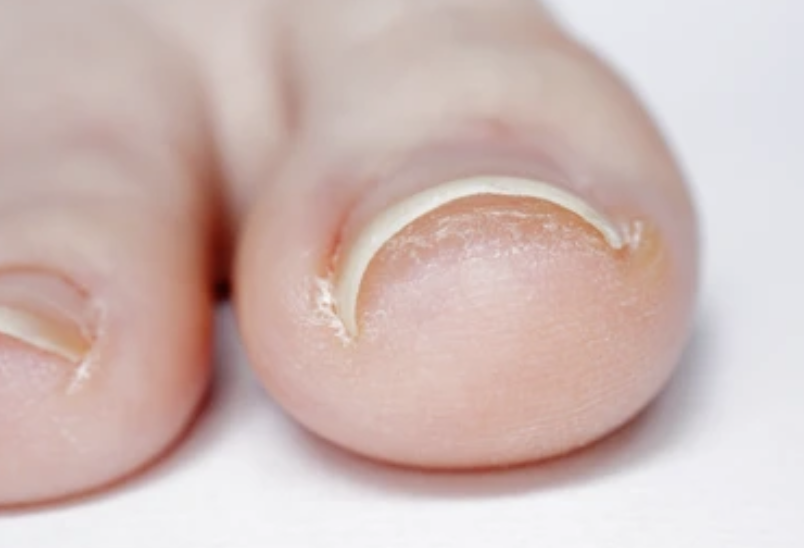
Ingrown Toenails: When to Treat at Home - and When to See a Doctor
4 min read
Matrixectomy: A Permanent Solution for Recurring Ingrown Toenails
4 min read
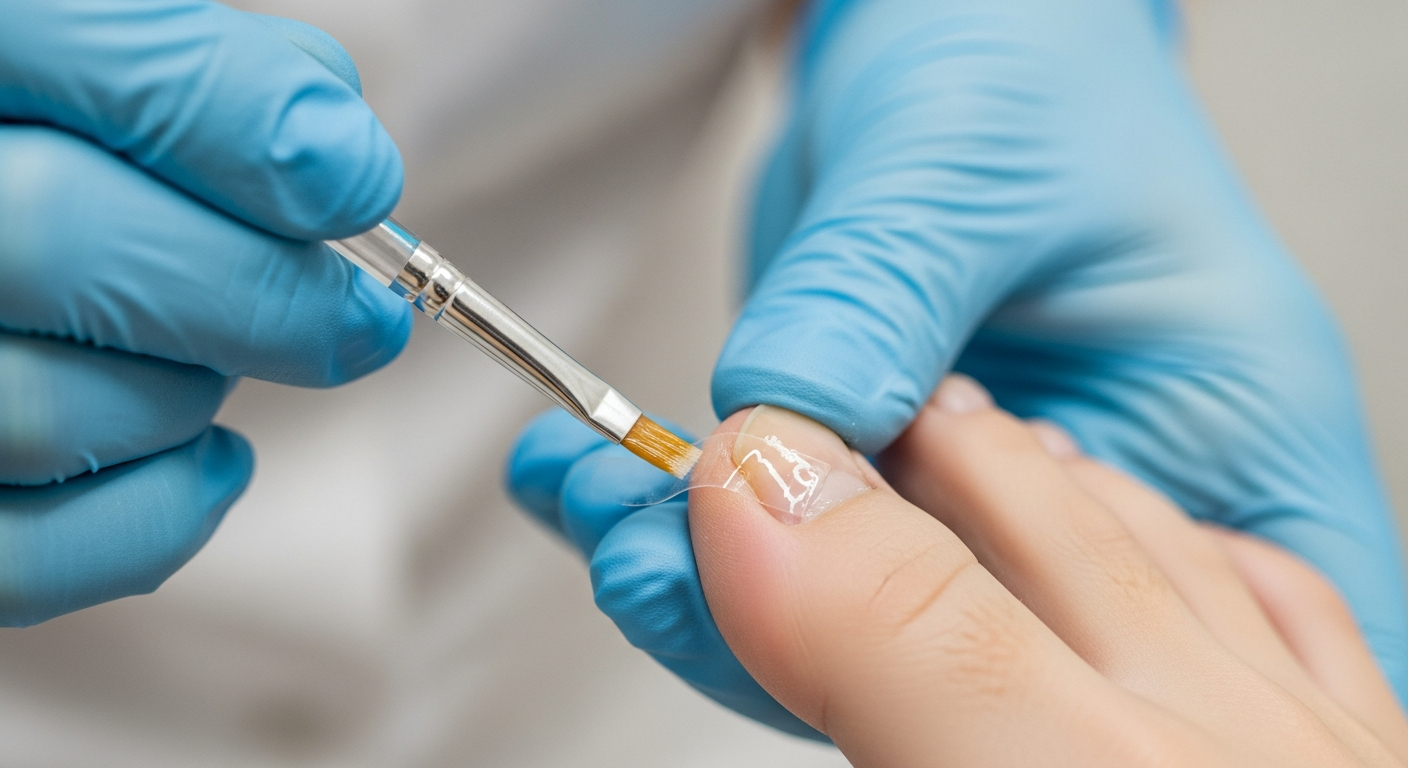
OnyFix: The Painless Resin Technology That's Changing How We Treat Ingrown and Curved Toenails
7 min read
Ready to get started?
Schedule a consultation with Dr. Golan to find out if nail care & debridement is the right treatment for you.
Book a ConsultationPatient Resources