

Condition Guide
Ingrown Toenails
Painful nails that grow into surrounding skin, treated conservatively or surgically.
01Overview
An ingrown toenail (onychocryptosis) occurs when the edge or corner of the nail plate curves downward and penetrates the surrounding soft tissue (nail fold), triggering pain, inflammation, and - if untreated - infection. The great toe is most commonly affected. Ingrown toenails range in severity from mild discomfort managed conservatively at home to severe infections requiring surgical intervention, particularly in patients with diabetes or compromised circulation.
02Causes & Etiology
The primary mechanical cause of ingrown toenails is the lateral nail edge being forced into the periungual skin. This results from cutting nails too short or at an angle (leaving a nail spicule), wearing shoes or socks that compress the toes, and congenitally curved (involuted) nail plates that naturally exert pressure on the nail folds. Trauma to the toe - such as stubbing or repetitive microtrauma from running - can also cause the nail to grow abnormally. In some individuals, the nail is inherently wide relative to the nail bed, predisposing them to recurrent ingrown nails regardless of cutting technique.
Risk Factors
- Improper nail trimming (too short, rounded at the corners, or leaving a spicule)
- Wearing tight-fitting shoes or socks that compress the forefoot
- Naturally curved (involuted or pincer) nail shape
- Injury or repetitive trauma to the nail
- Hyperhidrosis (excessive sweating, softening the nail fold skin)
- Obesity (increased pressure on the forefoot)
- Diabetes or peripheral vascular disease (elevated complication risk)
- Adolescence and young adulthood (most common age group)
03Signs & Symptoms
- Pain and tenderness along one or both sides of the toenail
- Redness and swelling of the skin beside and around the nail
- Skin that appears to be growing over the nail edge
- A feeling of pressure or throbbing in the toe
- Drainage of fluid (clear or purulent) indicating infection
- Warmth, increased redness, and pus if infection has developed
- Difficulty wearing closed-toe shoes due to pain
When to See Dr. Golan
Medical care should be sought promptly if redness is spreading, pus is present, or you have diabetes or poor circulation - in these cases even a minor ingrown nail can rapidly progress to serious infection. For recurrent cases, a simple in-office procedure (partial nail avulsion with matrixectomy) provides a permanent cure.
Package for Uninsured Patients
Ingrown Toenail Treatment Package
Includes the initial visit, partial nail avulsion, matrixectomy if appropriate, and follow-up.
04Frequently Asked Questions
Ready to find relief?
Schedule a consultation with Dr. Golan and get a personalized treatment plan.
Book an AppointmentFrom Our Blog
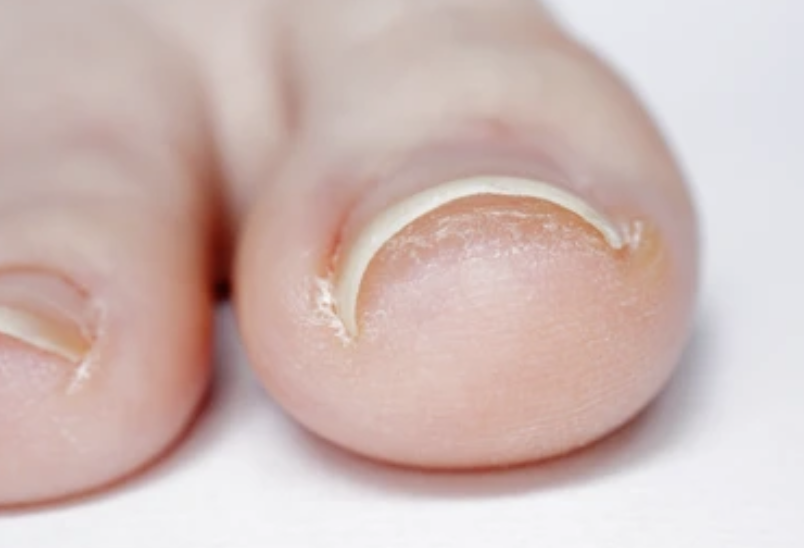
Matrixectomy: A Permanent Solution for Recurring Ingrown Toenails
4 min read
Ingrown Toenails: When to Treat at Home - and When to See a Doctor
4 min read
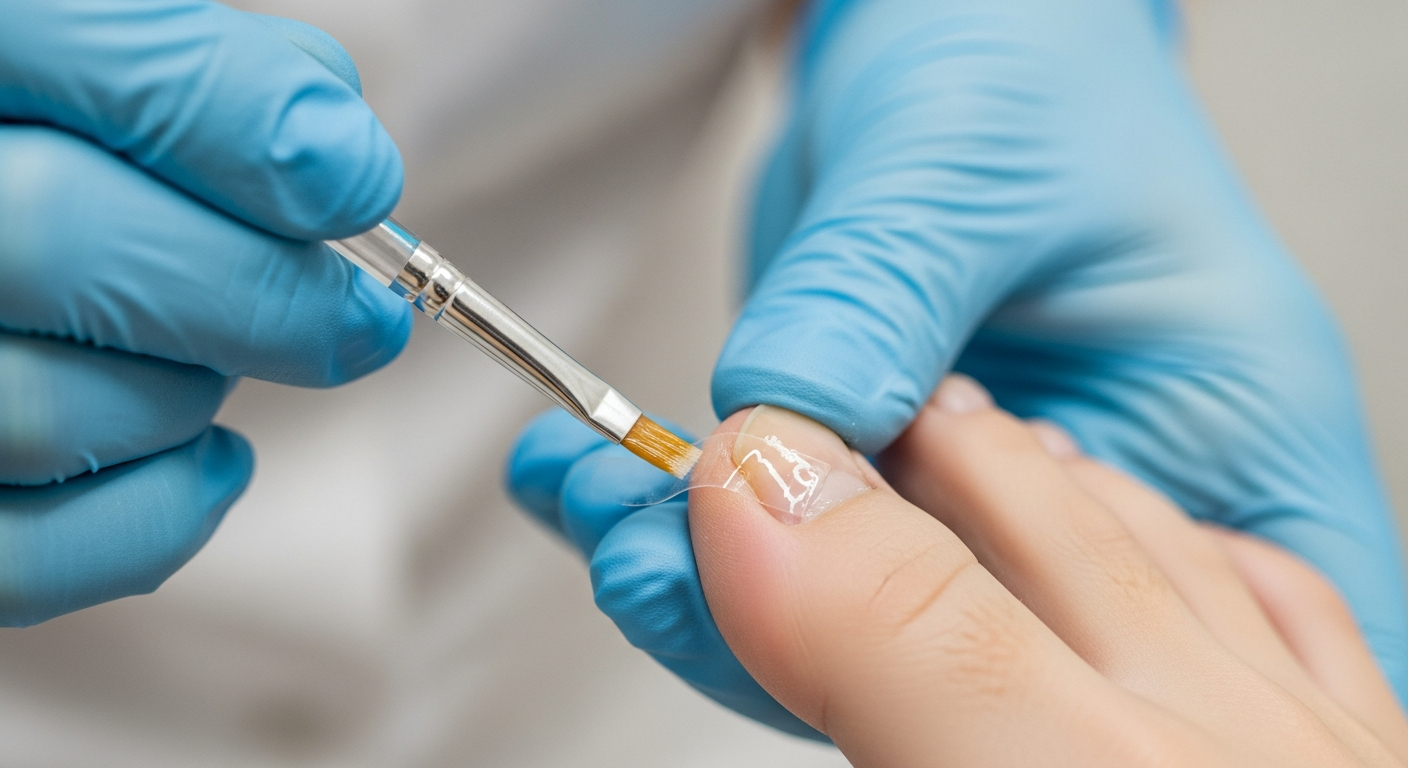
OnyFix: The Painless Resin Technology That's Changing How We Treat Ingrown and Curved Toenails
7 min read
Ingrown Toenails Treatment Near You
Select your community for local context, city-specific FAQs, and drive times to our Grandview Heights office.
Patient Resources