

Condition Guide
Heel Pain & Plantar Fasciitis
Chronic or acute pain at the base of the heel caused by inflammation of the plantar fascia.
01Overview
Plantar fasciitis is one of the most common causes of heel pain, affecting millions of Americans each year. The plantar fascia is a thick, fibrous band of connective tissue that runs along the bottom of the foot, connecting the heel bone (calcaneus) to the base of the toes. It acts as a shock absorber and supports the arch during walking and running. When this band is subjected to repetitive strain or excessive tension, micro-tears develop and chronic inflammation sets in - a condition known as plantar fasciitis.
02Causes & Etiology
Plantar fasciitis typically develops gradually from cumulative stress rather than a single traumatic event. The fascia endures high mechanical loads with every step, and when the demands placed on it exceed its capacity to repair and adapt, inflammation results. Biomechanical abnormalities - particularly flat feet, high arches, or abnormal walking patterns - alter the distribution of forces across the fascia and dramatically increase the risk of injury. Tight intrinsic foot muscles and shortened calf muscles (gastrocnemius and soleus) increase tension on the fascia at its insertion on the heel bone, making the area especially vulnerable. Prolonged standing on hard surfaces, sudden increases in physical activity, and unsupportive footwear are common precipitating factors.
Risk Factors
- Flat feet (pes planus) or high arches (pes cavus)
- Tight Achilles tendon or calf muscles
- Obesity or rapid weight gain
- Occupations requiring prolonged standing on hard floors
- Sudden increase in running distance or intensity
- Age 40-60 (peak incidence group)
- Wearing worn-out shoes or shoes without arch support
03Signs & Symptoms
- Sharp, stabbing pain at the bottom of the heel - typically worst with the first steps out of bed in the morning
- Pain that improves after a few minutes of walking but returns after prolonged standing or activity
- Increased pain after (not during) exercise
- Tenderness to deep pressure along the bottom of the heel and the arch
- Stiffness and aching in the heel after sitting or resting for extended periods
- Occasional swelling at the heel
When to See Dr. Golan
If heel pain is affecting your daily activities, persists beyond a few weeks, or is severe enough to cause limping, a podiatric evaluation is recommended. Early treatment significantly improves outcomes and helps prevent the condition from becoming chronic.
04Frequently Asked Questions
Ready to find relief?
Schedule a consultation with Dr. Golan and get a personalized treatment plan.
Book an AppointmentFrom Our Blog
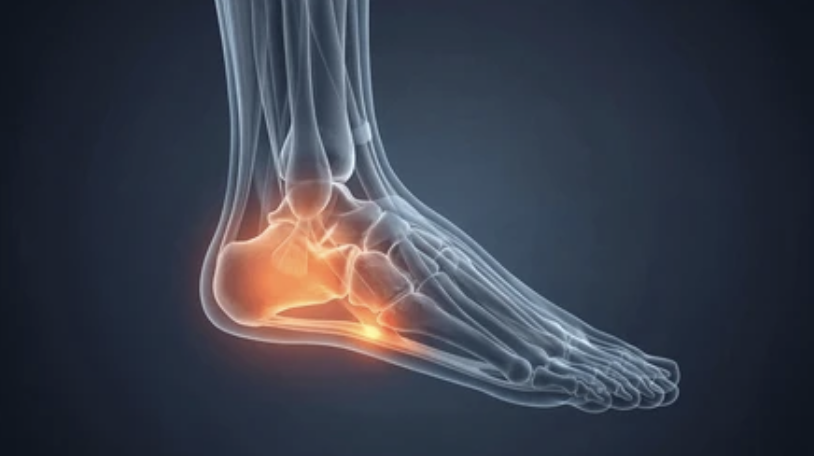
Why Does My Heel Hurt? Understanding Plantar Fasciitis and Other Causes
5 min read
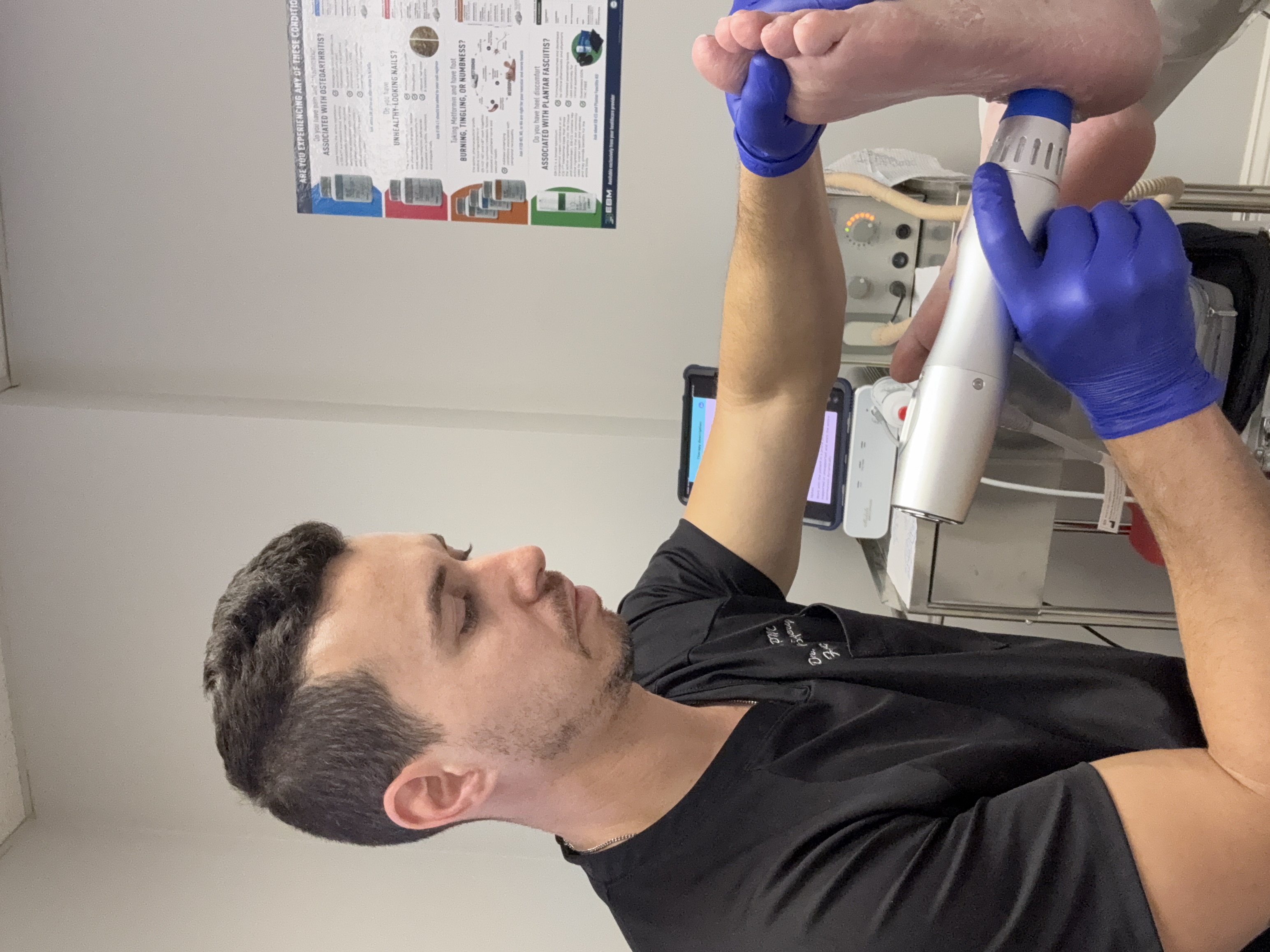
Why Does My Heel Hurt With the First Step in the Morning? A Podiatrist Explains
6 min read
Shockwave Therapy for Achilles Tendinitis, Thick Plantar Fascia & Surgical Scar Tissue - No Needles, No Surgery, No Downtime
7 min read
Heel Pain & Plantar Fasciitis Treatment Near You
Select your community for local context, city-specific FAQs, and drive times to our Grandview Heights office.
Patient Resources