

Condition Guide
Bunions
Advanced surgical correction of bunion deformities through tiny incisions for faster recovery.
01Overview
A bunion, clinically known as hallux valgus, is a progressive deformity of the first metatarsophalangeal (MTP) joint - the joint at the base of the big toe. Over time, the big toe angles inward toward the second toe while the first metatarsal head shifts outward, creating a bony prominence on the medial (inner) side of the foot. This structural malalignment is among the most common foot deformities treated by podiatric surgeons, and when conservative measures fail, minimally invasive bunion correction offers a modern surgical solution with smaller incisions, less soft tissue disruption, and faster return to activity.
02Causes & Etiology
Bunion formation is multifactorial, driven by a combination of genetic predisposition and environmental stressors. The underlying problem is hypermobility of the first ray combined with an imbalance of the muscles and tendons that normally stabilize the MTP joint. Once the joint begins to shift, the deforming forces progressively worsen the angulation in a self-perpetuating cycle. Narrow, pointed, or high-heeled footwear compresses the forefoot and accelerates joint drift in genetically susceptible individuals. Inflammatory arthropathies such as rheumatoid arthritis contribute through joint destruction and ligamentous laxity. Women are disproportionately affected due to both shoe style preferences and inherent ligamentous laxity.
Risk Factors
- Family history of bunions (strong hereditary component)
- Female sex
- Wearing narrow, pointed, or high-heeled shoes
- Rheumatoid arthritis or other inflammatory joint conditions
- Flat feet or hypermobile first ray
- Neuromuscular conditions affecting foot mechanics
- Prolonged standing or walking occupations
03Signs & Symptoms
- Visible bony bump on the inside of the foot at the base of the big toe
- Redness, swelling, and soreness around the big toe joint
- Persistent or intermittent pain at the MTP joint, worsened by shoe pressure
- The big toe angling toward or overlapping the second toe
- Restricted or painful movement of the big toe
- Corns or calluses where the toes rub together
- Difficulty finding comfortable footwear
When to See Dr. Golan
Seek evaluation if pain is interfering with daily activities, if you are having difficulty finding fitting shoes, or if you notice the deformity worsening. Early podiatric intervention can slow progression. When conservative treatments no longer provide relief, minimally invasive surgery can permanently correct the alignment.
04Frequently Asked Questions
Ready to find relief?
Schedule a consultation with Dr. Golan and get a personalized treatment plan.
Book an AppointmentFrom Our Blog
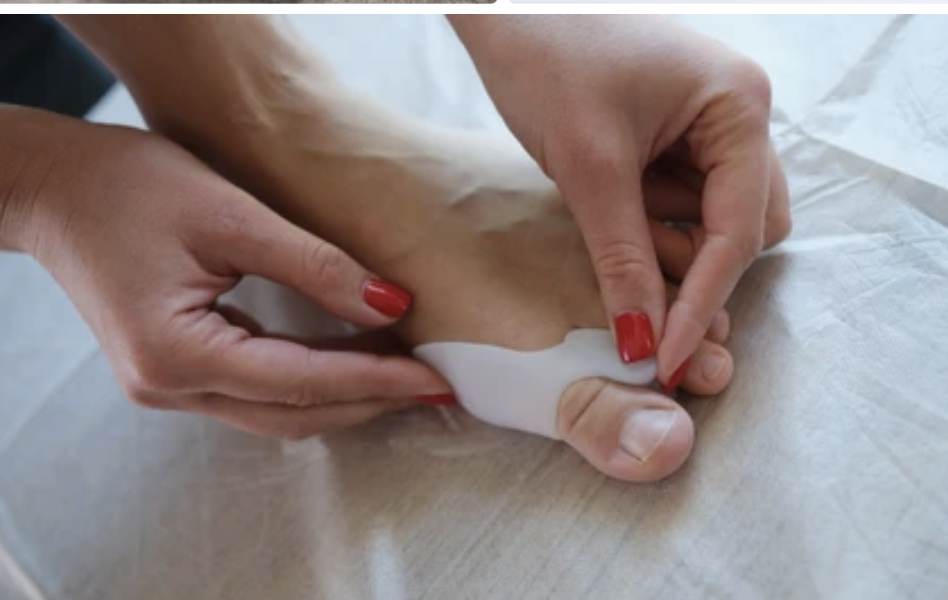
Bunion Treatment Without Surgery: What Actually Works
6 min read
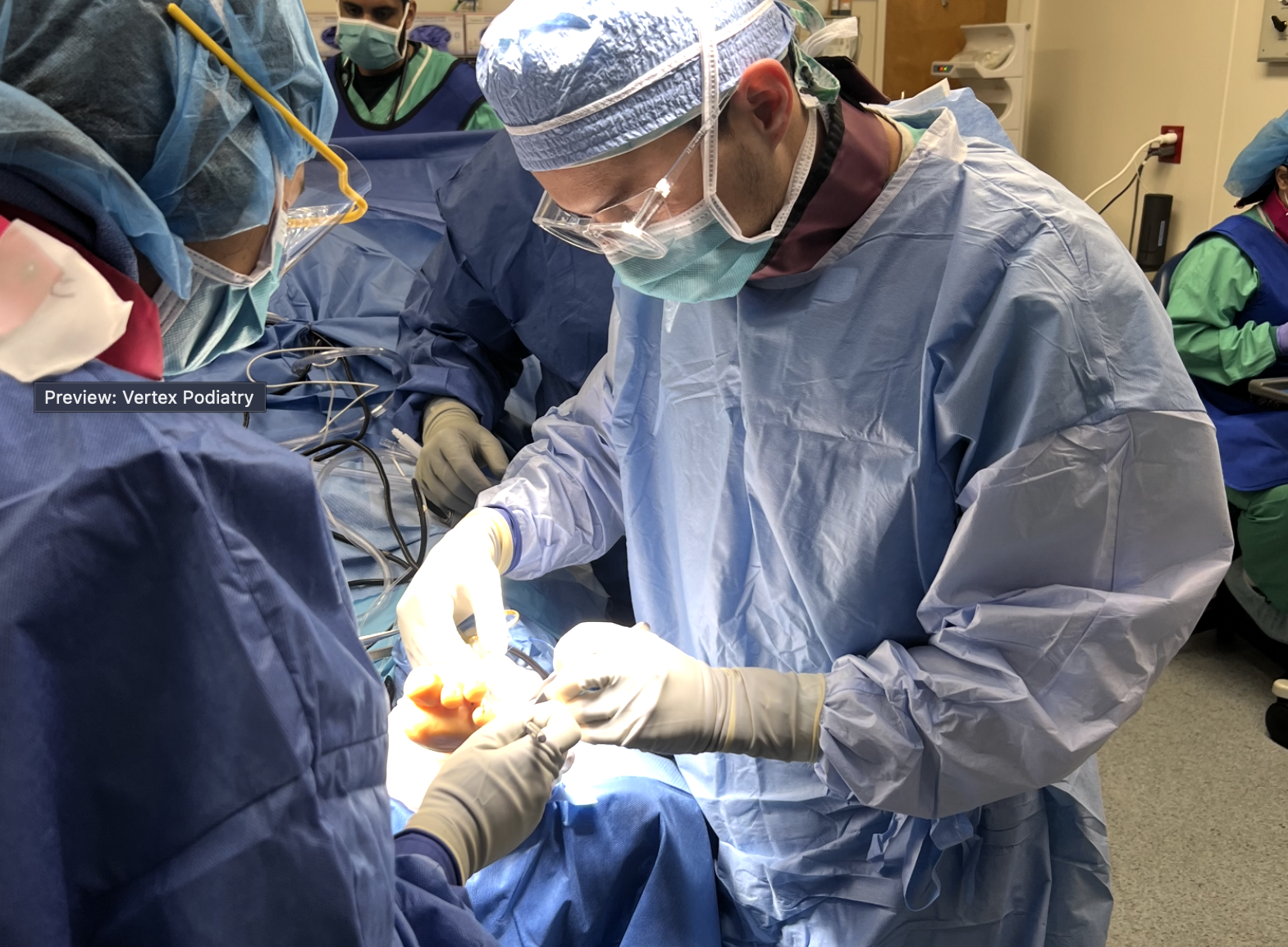
Minimally Invasive Bunion Surgery in Columbus: What Patients Need to Know
7 min read

The Podiatrist's Complete Guide to Proper Footwear: What to Wear, What to Avoid, and the Truth About High Heels and Bunions
10 min read
Bunions Treatment Near You
Select your community for local context, city-specific FAQs, and drive times to our Grandview Heights office.
Patient Resources