

Condition Guide
Gout
Sudden, severe joint pain caused by uric acid crystal deposits - most often striking the big toe.
01Overview
Gout is a form of inflammatory arthritis caused by the accumulation of monosodium urate crystals within a joint. It produces some of the most intense pain a person can experience - attacks typically come on suddenly, often at night, and can render the affected joint completely unbearable to touch. The big toe joint (first metatarsophalangeal joint) is the most commonly affected site in the foot, a presentation historically known as podagra. Gout is closely tied to elevated levels of uric acid in the bloodstream (hyperuricemia), which results from either overproduction of uric acid, under-excretion by the kidneys, or both. When uric acid levels exceed the saturation point, needle-sharp crystals precipitate within joint fluid and trigger a violent immune response. While gout can affect any joint, podiatrists are frequently the first clinician a patient sees because foot and ankle joints - particularly the big toe, midfoot, and ankle - are among the most commonly involved. Without management, gout becomes a chronic, progressive disease causing permanent joint damage.
02Causes & Etiology
Gout develops when serum uric acid levels remain chronically elevated. Uric acid is the end product of purine metabolism - purines are found in certain foods and are also produced naturally by the body during cell turnover. The kidneys normally excrete uric acid in urine, but in many patients with gout, renal uric acid excretion is insufficient. Dietary factors - particularly red meat, organ meats, shellfish, alcohol (especially beer), and high-fructose corn syrup - raise serum uric acid. Dehydration concentrates uric acid in the joints. Diuretic medications, commonly prescribed for blood pressure and heart failure, reduce renal uric acid excretion and are a major pharmacologic trigger. Trauma, surgery, acute illness, and even sudden dietary changes can precipitate an acute attack in patients with baseline hyperuricemia.
Risk Factors
- Male sex (men have higher baseline uric acid levels; postmenopausal women lose estrogen's uricosuric effect)
- Diet high in red meat, organ meats, shellfish, or high-fructose beverages
- Regular alcohol consumption, particularly beer
- Obesity - increases uric acid production and reduces renal excretion
- Chronic kidney disease or reduced renal uric acid clearance
- Hypertension treated with thiazide diuretics
- Personal or family history of gout
- Use of cyclosporine, aspirin, or niacin
- Recent surgery, trauma, or acute illness
03Signs & Symptoms
- Sudden, severe pain in the big toe joint - often waking the patient from sleep
- Intense redness, warmth, and swelling over the affected joint
- Skin that appears shiny, stretched, and deeply red or purple over the joint
- Extreme tenderness - even the weight of a bedsheet can be intolerable
- Limited range of motion in the affected joint during an attack
- Attacks typically peak within 12-24 hours and resolve over 7-14 days without treatment
- In chronic gout: tophi (white, chalky deposits) visible under the skin near joints; persistent joint stiffness and damage
When to See Dr. Golan
Any sudden, severely painful, red, and swollen joint in the foot or ankle warrants prompt evaluation. While a gout attack typically resolves on its own, recurrent attacks cause progressive joint damage, and chronic gout is associated with kidney disease and cardiovascular risk. Early diagnosis - confirmed by uric acid levels and sometimes joint fluid analysis - allows Dr. Golan to initiate treatment to abort the acute attack and, importantly, begin a long-term strategy to prevent future episodes through lifestyle guidance and, when indicated, urate-lowering therapy in coordination with your primary care physician.
04Frequently Asked Questions
Ready to find relief?
Schedule a consultation with Dr. Golan and get a personalized treatment plan.
Book an AppointmentFrom Our Blog
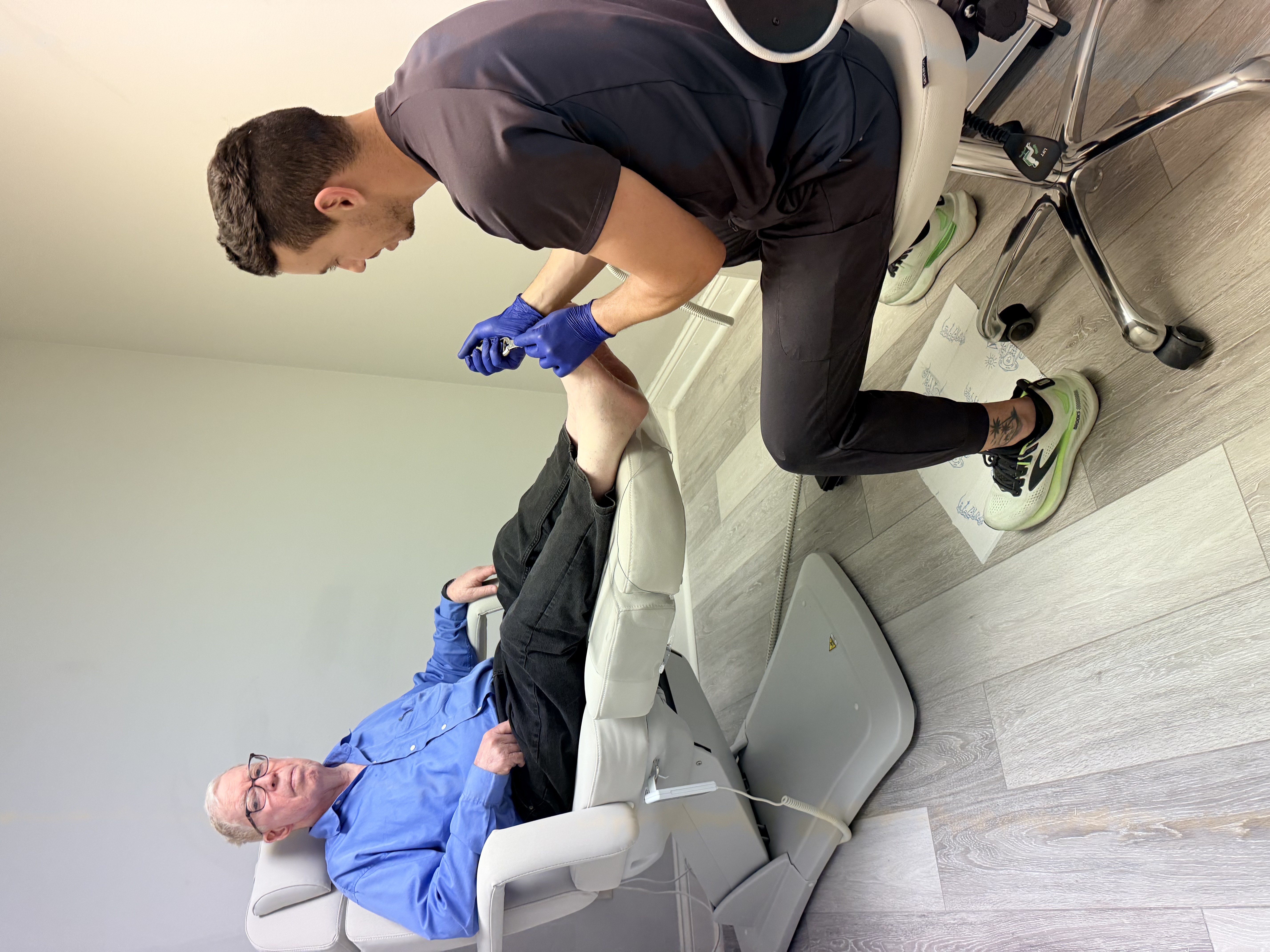
What to Expect at Your First Podiatry Appointment at Vertex Podiatry
4 min read
Your Feet at 60, 70, and Beyond: What Changes and What You Can Do About It
9 min read
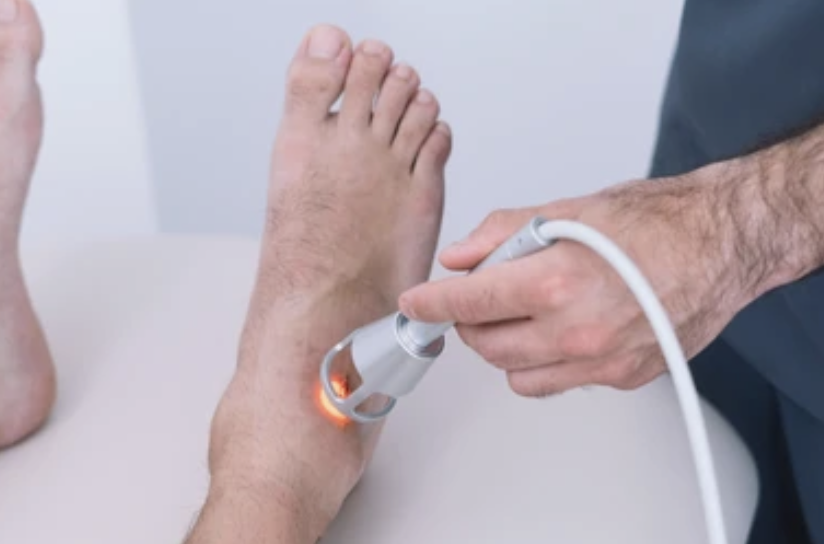
Deep Tissue Laser Therapy for Foot & Ankle Pain: Technology, Benefits & What to Expect
10 min read
Gout Treatment Near You
Select your community for local context, city-specific FAQs, and drive times to our Grandview Heights office.
Patient Resources